Project Experts
Rana El-Guindy Economics and Sustainable Finance Expert
Creating Lasting Impacts
2023-2024
14 African Countries
Rana El-Guindy Economics and Sustainable Finance Expert
Across Africa, women remain underrepresented in the energy sector, a sector traditionally dominated by men. Yet, gender equality is not just a moral imperative – it is an economic and social necessity. Recognizing this, the Women in Energy Network-Africa (WEN-Africa) was established to foster change by uniting public, private, and non-profit organizations to drive gender equality and women’s empowerment in the energy landscape.
This initiative, led by Econoler for the World Bank’s Energy Sector Management Assistance Program (ESMAP), builds upon successful models like RENEW-MENA and WePOWER. WEN-Africa is not just a network; it is a movement toward a more inclusive, diverse, and empowered energy sector in Africa.
Establish a network of public, private and non-profit organizations that promote gender equality and women empowerment in the energy sector.
The journey to launch WEN-Africa required a strategic and holistic approach.
Key milestones included:
WEN-Africa is more than just a professional network; it is a platform for advocacy, knowledge exchange, and capacity development.
By connecting institutions and individuals committed to gender equality, the network offers:
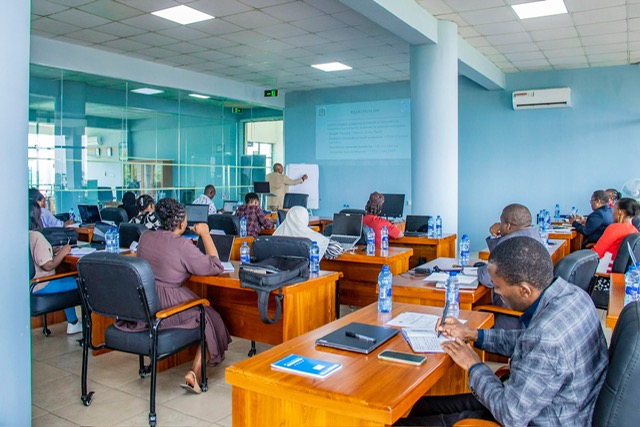
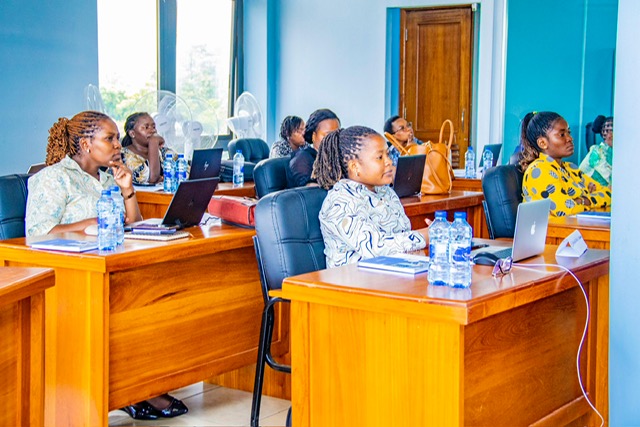
Training programs conducted under WEN-Africa, to equip professionals with the skills to integrate gender perspectives into energy initiatives, have already yielded valuable insights.
Nearly 100% of participants in the English sessions found the training content relevant, particularly in areas like gender mainstreaming and analysis. The French training also generated high engagement, although responses varied regarding the complexity and applicability of certain modules.
These findings underscore the importance of tailoring training to diverse audiences while ensuring that all participants, regardless of language or background, acquire practical and actionable knowledge.
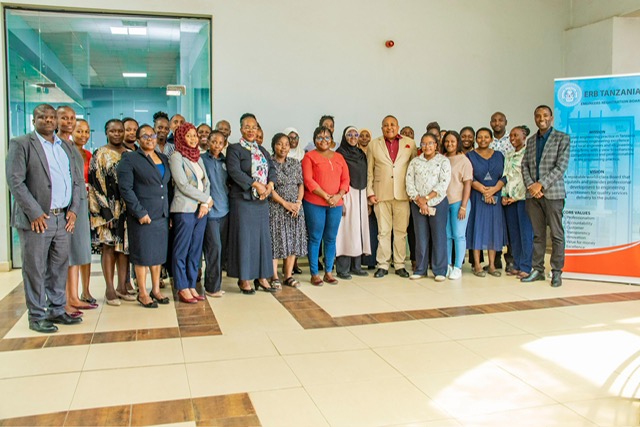
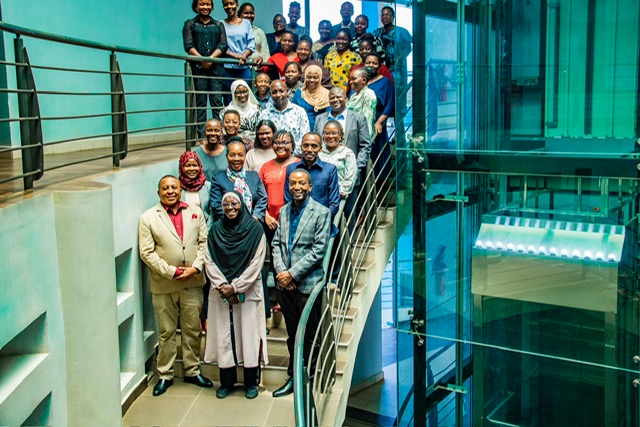
As our assignment is now completed, its legacy continues. The World Bank will oversee WEN-Africa’s ongoing activities to ensure that the momentum built through the network continues to inspire and drive real change across the continent.
The energy sector in Africa is evolving, and WEN-Africa is ensuring that women are not just part of the conversation – but leading it.
Are you passionate about gender equality in the energy sector? Stay connected with WEN-Africa and be part of this transformative journey.
This initiative was led by Africa Gender Energy Team (AGET) of the World Bank, Africa Energy Department, funded by the World Bank’s Energy Sector Management Assistance Program (ESMAP), and carried out by Econoler, builds on models like RENEW-MENA and WePOWER. WEN-Africa is not just a network; it is a movement toward a more inclusive, diverse, and empowered energy sector in Africa.
Together, we can power a more inclusive future.