How can we accelerate the adoption of energy efficiency measures in commercial real estate in Quebec?
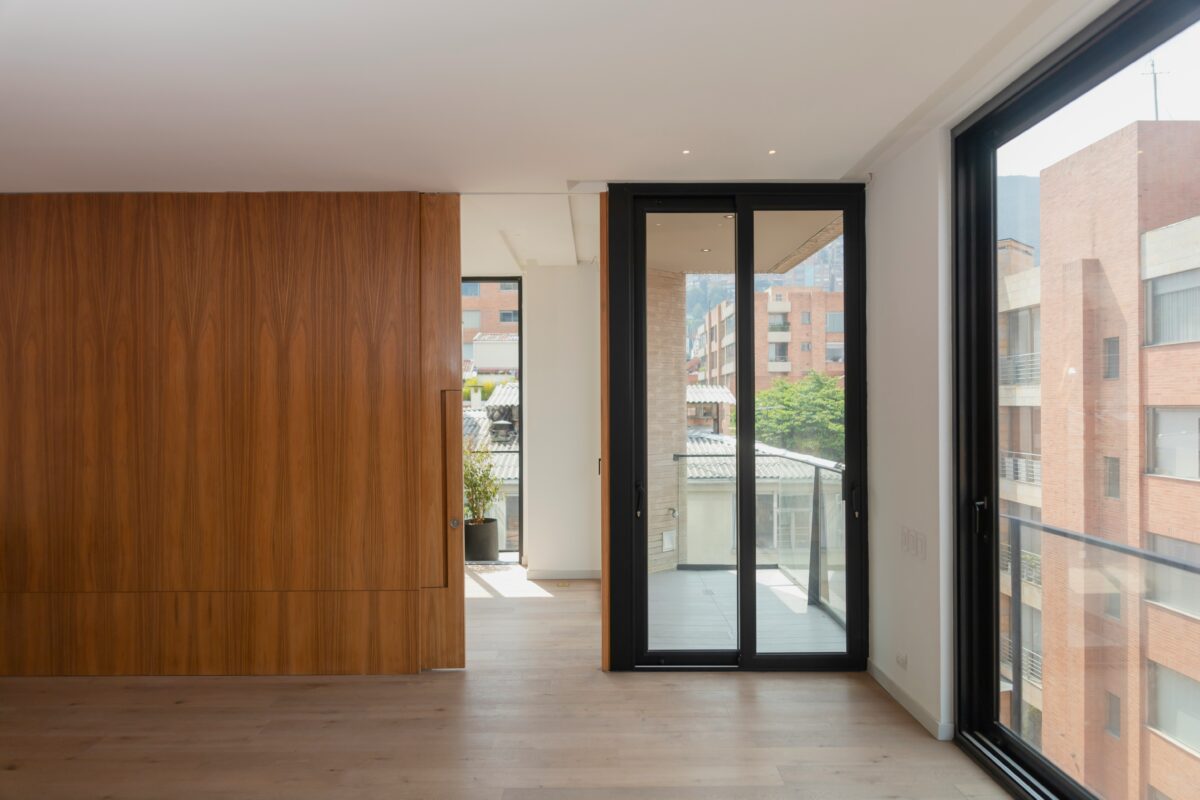
How do you mobilize a traditionally cautious industry toward climate action? Discover how the Building Energy Challenge, powered by Econoler and led by BOMA Québec, transformed over 300 commercial buildings into engines of change—reducing GHG emissions, boosting performance, and building a culture of collaboration and transparency in Québec’s real estate sector.
Once upon a time, there was a sector that was hard to move
In 2016, within BOMA Quebec’s Integrated Technical Management Committee, an idea began to take shape. Geneviève Gauthier, an expert at Econoler and lead for the committee’s energy component, was facing a major challenge: how to accelerate the adoption of energy efficiency measures in Quebec’s commercial real estate sector—a sector historically cautious about change.
Inspired by Toronto’s Race to Reduce program, the Econoler team envisioned a made-in-Quebec initiative: the Building Energy Challenge (BEC). The idea was simple, yet bold: a friendly competition where building owners commit to sharing their energy consumption data, improving their performance year over year, and benchmarking against each other—all within a framework of support, recognition, and transparency.
A Vision Driven by Innovation
The challenge officially launched in 2018 with one clear objective: to prepare the real estate industry for new regulatory requirements, including those from the City of Montreal and the forthcoming Bill 41 at the provincial level.
But the Challenge goes beyond compliance. It reflects Econoler’s core values:
Innovation, by encouraging participants to adopt novel solutions
Excellence, through rigorous analysis and monitoring of energy performance
Respect, via a collaborative approach that accounts for the existing ecosystem
A Program Designed By and For the Industry
Econoler has played a central role since the very beginning:
Ideation and business model development, funded by BOMA Quebec
Securing $1.6 million in program financing
Designing the program and its operational mechanisms
Annual results analysis: data validation, performance evaluation, and award attribution
As Chair of the BEC’s Technical Committee from the start, Geneviève Gauthier has leveraged her professional network and Econoler’s expertise to drive the program forward. Geneviève has a unique ability to rally stakeholders with diverse interests around a shared goal. Alongside colleagues like Béatrice Cyr (Senior Energy Efficiency Analyst), Lucie Chatain (Project Coordinator in Energy Efficiency), and Mintou Ndiaye (Senior Energy Efficiency Analyst), the team ensures the program’s technical credibility.
Mobilizing a Market—One Building at a Time
The BEC is not your typical competition. It’s a sector-wide engine for change. In nearly 10 years:
Over 300 buildings participate each year
50 municipalities are represented
73% of participants reduced their GHG emissions between 2018 and 2022
Average energy intensity decreased by 9.5% over the same period
And all of this without mandates or direct subsidies. The savings are generated by the participants themselves. The Challenge doesn’t create the results—it reveals, values, and amplifies them.
Keys to Success
The Building Energy Challenge owes its success to several key factors:
The bold leadership of BOMA Quebec, which proudly champions the initiative
A technically robust and multidisciplinary committee
Support from key stakeholders like the City of Montreal, Hydro-Québec, Énergir, and various federal and provincial institutions
An apolitical, unifying approach that withstands changes in leadership and stays focused on carbon neutrality
What’s Next?
The Challenge’s 2.0 edition wraps up in 2026. But the story doesn’t end there. Its success invites reflection: how can we evolve this winning model into a new generation of even more ambitious and inclusive programs?
Conclusion: A Lasting Transformation
Thanks to the unwavering commitment of Econoler and its experts, the Building Energy Challenge has become a cornerstone of the energy transition in Quebec’s real estate sector. It proves that with a clear vision, strong partnerships, and a supportive approach, even the most complex markets can be transformed.