Project Experts
Mouez Ben Chaabane Climate Policy Advisor & Lead Expert
Rana El Guindy Renewable Energy Advisor
Econoler’s contribution to the Expert Deployment Mechanism Climate Action Africa Project
2021-2026
Sub-Saharan African Countries

Mouez Ben Chaabane Climate Policy Advisor & Lead Expert
Rana El Guindy Renewable Energy Advisor
Sub-Saharan Africa is one of the regions most exposed to the impacts of climate change, while also facing rapidly growing energy demand and development pressures. Governments across the region are working to strengthen climate policies, implement their Nationally Determined Contributions (NDCs), and scale up renewable energy solutions in line with the Paris Agreement.
However, many institutions face constraints in technical capacity, access to data, coordination mechanisms, and financial resources needed to translate climate ambition into concrete implementation.
In this context, Global Affairs Canada (GAC) launched the Expert Deployment Mechanism – Climate Action Africa Project, a large-scale technical assistance programme implemented by a consortium led by Alinea, with Econoler and WSP as key partners.
The Climate Action Africa project project provides targeted technical assistance to governmental and non-governmental organizations at regional, national, and sub-national levels across Sub-Saharan African countries. It supports countries in strengthening climate governance frameworks, advancing the implementation of their NDCs and National Adaptation Plans, and scaling up mitigation and adaptation actions in priority sectors such as renewable energy, forestry, agriculture, and water resources. The project also places strong emphasis on integrating gender equality and social inclusion into climate policies and programmes.
Within the consortium, Econoler is responsible for delivering technical expertise focused on building climate change governance capacity and renewable energy technical assistance initiatives. This includes participating in planning, implementing, monitoring and reporting Climate Action Africa project activities related to both field of work, providing strategical and technical oversight on the identification, design and implementation of technical assistance initiatives, liaising, negotiating and coordinating activities with Recipient Organizations as well as with deployed technical experts. Econoler also develops knowledge products such as policy briefs and technical reports and participates in the coordination of dissemination events.
Bridging the gap between commitments and implementation realities
Across Sub-Saharan Africa, climate ambition is no longer the primary challenge. Most countries have already defined strategies, submitted their NDCs, and committed to ambitious climate and energy targets. The real challenge lies in turning these commitments into coordinated, operational action on the ground.
In practice, implementation is often slowed by a combination of systemic and operational constraints. Institutions are frequently required to design and deliver complex climate reforms with limited technical resources, while coordination across ministries and sectors remains fragmented. Decision-makers often lack access to reliable data and analytical tools to guide investment and policy choices. At the same time, renewable energy deployment is constrained by regulatory gaps, limited financial structuring capacity, and insufficient access to climate finance. Across all of this, the integration of gender considerations into climate planning remains uneven, despite growing recognition of its importance.
Key challenges include:
In response to these challenges, Econoler applies a structured and adaptive technical assistance approach designed to move institutions from planning to implementation. Rather than focusing on isolated interventions, the approach aims to strengthen the underlying systems that enable sustained climate action.
At its core, this means working alongside national institutions to translate policy ambition into practical pathways, strengthen decision-making and implementation capacity, and improve the enabling environment for investment and implementation.
The approach focuses on:
The project is generating measurable progress across governance and renewable energy systems in multiple countries.
Key emerging results include:
At project level:
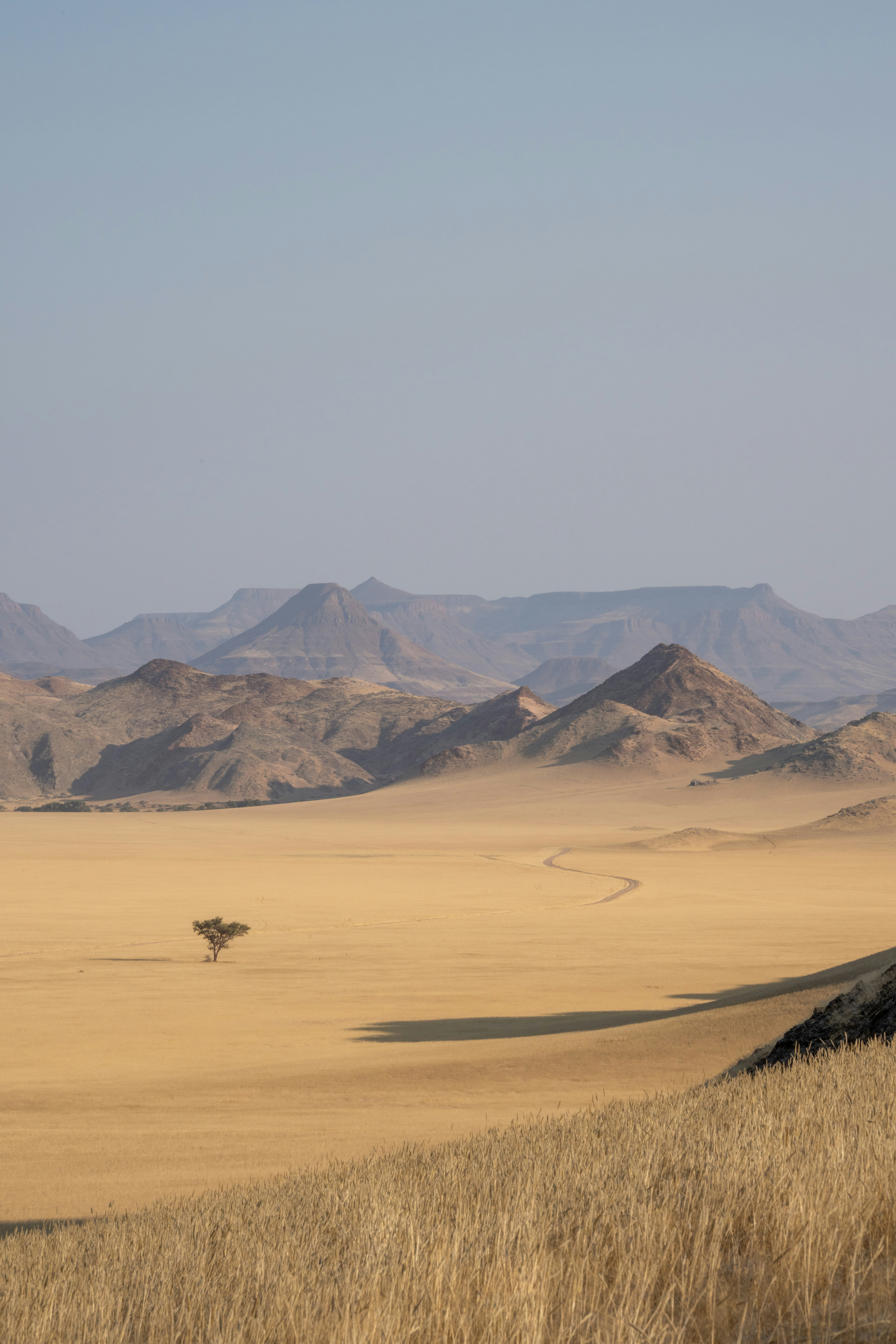
The Climate Action in Africa Project represents a significant step toward strengthening climate resilience and accelerating the clean energy transition across Sub-Saharan Africa.
As the project enters its final phase, the focus has shifted toward consolidating results and ensuring that the gains achieved continue well beyond the project’s timeline. This includes completing ongoing support to national institutions, synthesizing lessons learned across countries, and translating technical experience into practical guidance and knowledge products. By prioritizing institutional learning, cross‑country knowledge sharing, and the strengthening of long‑term governance and policy frameworks, the project is laying the groundwork for durable climate impact that can be sustained and scaled after 2026.
By helping countries move from climate ambition to concrete action, Climate Action Africa and Econoler are contributing to building more resilient, inclusive, and low-carbon development pathways anchored in stronger institutions, better‑informed policies, and enhanced national capacity to lead climate action over the long term.